
Mères Reishi, bébés Reishi : grossesse, post-partum et allaitement
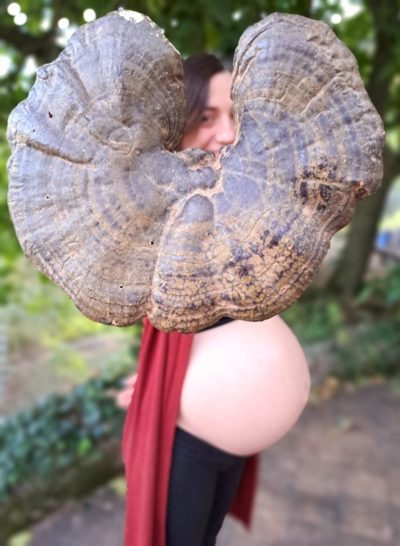
I've been thinking about this for a long time; perhaps since before becoming a mother. I decided to imagine postpartum before it caught me off guard, because we live in a society where, right after birth, women's physical and emotional needs too often take a backseat. Gifts, visits, and expectations arrive—but what truly heals is time, nourishment, and helping hands.
In many Asian cultures, as well as in Ayurveda and Traditional Chinese Medicine, the first 30–40 days are understood as a sacred space: rest, warmth, nutritious foods, and receiving rather than giving. This traditional "quarantine" protects and sustains the mother so she can take root in the new body and new rhythm that are born with the baby.[1]
Why do I talk about Reishi?
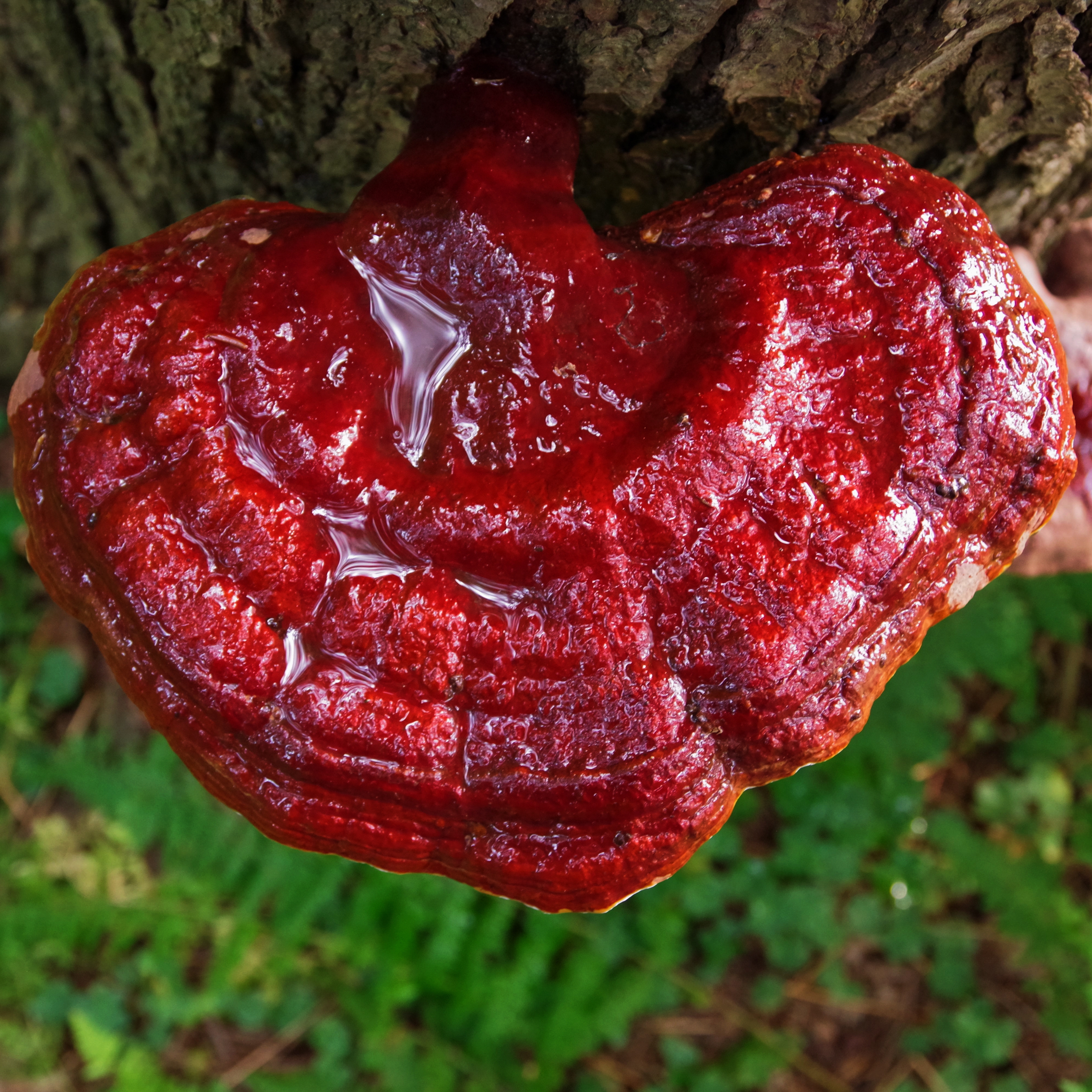
Reishi (Ganoderma lucidum) is a mushroom widely used in Asia for centuries. Modern research has studied components like β-glucans (polysaccharides) and triterpenes (ganoderic acids), with immunomodulatory and antioxidant properties observed in preclinical models and some human studies. This has fueled its fame as an "adaptogen"—a popular label, but not an official pharmacological category.[2]
When I experienced pregnancy and postpartum, Reishi helped me find a kind of inner "scaffolding": better rest, improved emotional tone, less of that constant wear-and-tear feeling. This is my personal experience, and I share it with gratitude and respect for what might work for you.
Reishi products at boscum


What does science say today?
Sleep and fatigue. The most recent research suggests that some G. lucidum extract formulations might help with fatigue sensation and sleep quality, though results vary greatly depending on the product and study design. More robust trials are needed to make conclusive claims.[3] In animal models, "tranquilizing" effects and increased sleep time have been observed, but this doesn't directly translate to results in humans.[4]
Mood and stress. There are preliminary studies suggesting possible benefits on fatigue, mood, and quality of life in certain groups, but the body of evidence is still limited and heterogeneous. Further research is needed.[5]
In summary: there are interesting indications, especially in the wellness realm (sleep, fatigue, emotional tone), but the scientific literature doesn't yet allow us to ensure specific effects for postpartum in a generalizable way.
What about during pregnancy and breastfeeding?
Here I want to be very clear. The main medical and integrative oncology sources do not recommend using Reishi during pregnancy and breastfeeding due to lack of solid safety data, and point out possible risks and interactions:[6]
- May increase bleeding risk, especially if taking anticoagulants or antiplatelet drugs.
- May lower blood pressure and interfere with antihypertensive medications.
- May interact with immunosuppressants and other drugs.
- Isolated cases of liver alterations associated with Reishi supplements have been reported.
- Safety in pregnancy and breastfeeding is not established: its use is recommended to be avoided during these stages, unless a healthcare professional who knows your case explicitly evaluates it.
I understand that culturally there are ideas like "Reishi Mothers, Reishi babies," and that in some traditional environments it has been used as a tonic. But responsible advice today is to prioritize measures with proven safety in pregnancy and breastfeeding (rest, nutrition, social and emotional support) and, if considering any supplement, always do so with personalized healthcare guidance.[7]
If you're already postpartum and considering Reishi
If you're not pregnant and are postpartum (or later) and thinking about introducing Reishi:
- Talk to your healthcare professional, especially if you take anticoagulants, have low blood pressure, suffer from clotting disorders, or take chronic medication.[6]
- Prioritize quality and traceability: fruiting body extracts (not just mycelium), clear extraction processes, and laboratory-verified β-glucan content. (This is not a promise of efficacy, but a quality standard.)[2]
- Start low and observe: your postpartum body is sensitive; introduce changes one at a time and listen to yourself.
What cannot be replaced
No mushroom or plant can substitute protected rest, warmth, nutritious meals, and the network that supports a new mother. What we can do is recover this perspective: less rush to "return to normal" and more space to name the new normal that is born with you and your baby. If Reishi accompanies you later on, let it be with complete information and care.
Important note: This text is for informational purposes and does not replace medical advice. If you are pregnant or breastfeeding, consult your healthcare professional before taking any supplement.
Sources
- Chiu YH, et al. Postpartum practices of traditional Chinese medicine: a review. Am J Chin Med. 2018.
- Paterson RRM. Ganoderma – a therapeutic fungal biofactory. Phytochemistry. 2006.
- Wachtel-Galor S, et al. Ganoderma lucidum (Reishi mushroom) in supportive cancer therapy and fatigue. Integr Cancer Ther. 2011.
- Yuen JW, Gohel MD. Anticancer effects of Ganoderma lucidum: a review of scientific evidence. Nutr Cancer. 2005.
- Li A, et al. Ganoderma lucidum improves quality of life in women with breast cancer undergoing endocrine therapy. Am J Chin Med. 2012.
- Memorial Sloan Kettering Cancer Center – Ganoderma lucidum (Reishi).
- National Center for Complementary and Integrative Health (NCCIH) – Reishi Mushroom.