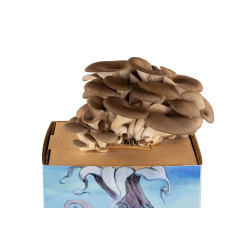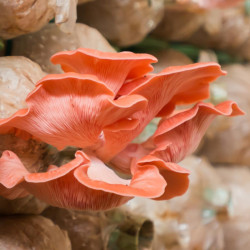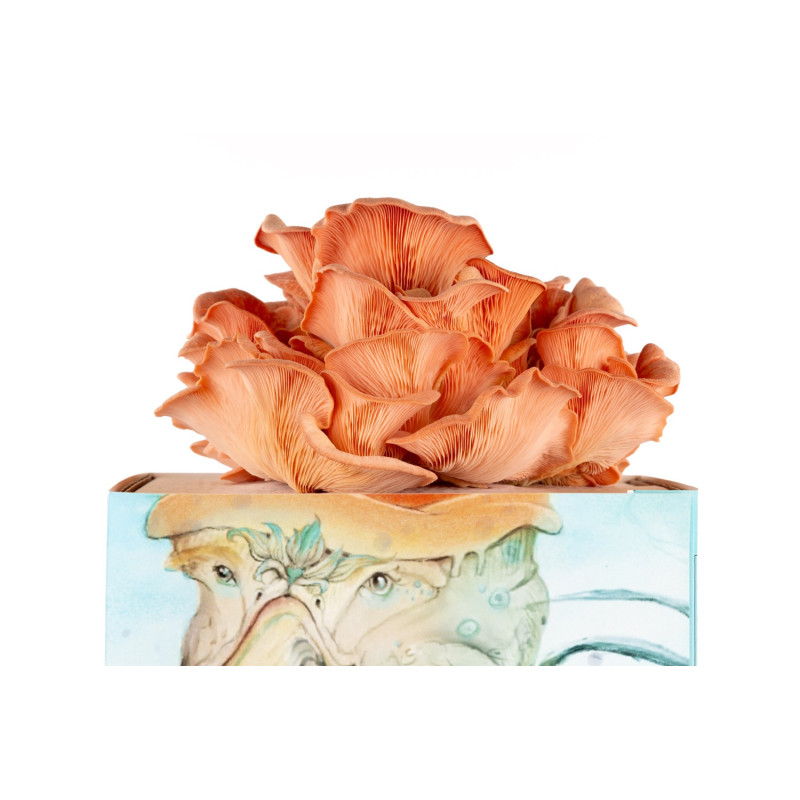
Pink Oyster Grow Kit – Pleurotus djamor
search
  • Pink Oyster Grow Kit – Pleurotus djamor
  • Pink Oyster Grow Kit – Pleurotus djamor
  • Pink Oyster Grow Kit – Pleurotus djamor
  • Pink Oyster Grow Kit – Pleurotus djamor
  • Pink Oyster Grow Kit – Pleurotus djamor
  • Pink Oyster Grow Kit – Pleurotus djamor
  • Pink Oyster Grow Kit – Pleurotus djamor
  • Pink Oyster Grow Kit – Pleurotus djamor
  • Pink Oyster Grow Kit – Pleurotus djamor
  • Pink Oyster Grow Kit – Pleurotus djamor
  • Pink Oyster Grow Kit – Pleurotus djamor
  • Pink Oyster Grow Kit – Pleurotus djamor
  • Pink Oyster Grow Kit – Pleurotus djamor
  • Pink Oyster Grow Kit – Pleurotus djamor

Pink Oyster Grow Kit – Pleurotus djamor

Add color to your dishes with our Pink Oyster kit!

Ingredients: colonized substrate with mycelium (Pleurotus djamor) made from sawdust* and rice bran* (3 kg block).

Ready to fruit easily at home, with an abundant, fresh, and healthy first harvest in just 10-14 days.

eco Ingredients from organic farming

home Own production
€25.00
Tax included

Volume discounts 5 Items

The Pink Oyster Mushroom grow kit (Pleurotus djamor) offers much more than a gourmet mushroom. Its intense pink color, vigorous growth, and delicate texture turn each harvest into a small but remarkable event.

In this new edition, cultivation merges with art. The illustrations by Mateo Schmitthenner are not merely decorative: they serve as the starting point for a living transformation. As the mushrooms emerge, the artwork expands beyond paper and is completed by unique organic forms.

Beyond its aesthetic value, the Pink Oyster stands out for its nutritional profile: it is rich in fiber, natural antioxidants, and bioactive compounds that support the immune system, making it an ally for both creative cooking and mindful nutrition.

Why choose this kit?

  • Extremely easy to grow: ideal for beginners and families alike.
  • A unique experience: every cultivation is different; the mycelium and your environment complete the artwork.
  • Gourmet and healthy mushroom: mild, slightly fruity flavor with high nutritional value.
  • An invitation to observe: growth, rhythm, and transformation within the fungal kingdom.

Grow, observe, and let nature complete the artwork.

Day 1 – Open the box

Using a cutter or scissors, cut out the marked square on the top of the box.
Through this opening you will see the growing block: a mixture of plant-based substrate (such as sawdust and organic bran) that has been colonized by the mycelium, the vegetative form of our mushrooms.

Day 1 – Make the cut in the bag

Using a clean knife or scissors, make a cross-shaped (X) cut of approximately 3 × 3 cm in the visible plastic covering the substrate (for Hericium: 1.5 × 1.5 cm).

There is no need to remove the plastic or fold back the flaps of the cut. The mushrooms will push through on their own while the substrate remains moist.

Days 1–14 – Water, air, and indirect light

Place the kit in a location with:

  • Indirect natural or artificial light
  • Good ventilation, but no direct drafts
  • Away from radiators or heat sources

Spray clean water directly onto the cut 2–3 times a day, making sure the area stays moist (but not waterlogged).

Days 7–21 – Mushrooms appear

From around day 7 (this may vary slightly), you will notice the first mushroom pins. Spray at least twice a day, more generously.

When you see that oyster mushrooms lose their curved shape or Lion’s Mane develops its characteristic “teeth,” it is the ideal time to harvest. Gently twist and pull the entire cluster to detach it.

And start again…

After a few days of rest following the harvest, you can resume watering and wait for a new flush of mushrooms.

If after the second harvest you notice that the block is drying out or no longer responding, it’s time to give it a hydration boost: remove it from the box and place it overnight in a container of water with the X-shaped cut facing downward.

Then let the excess water drain and place it back in the box. This cycle can be repeated two or three more times, as long as the mycelium remains white, active, and healthy-looking.