
The Earth Element in Traditional Chinese Medicine: grounding and balance at the end of summer
In Traditional Chinese Medicine (TCM), the Five Elements — Wood, Fire, Earth, Metal and Water — help us understand the relationships between nature and our own body. Each element reflects a movement of life, an energy that manifests both in the environment and within us.
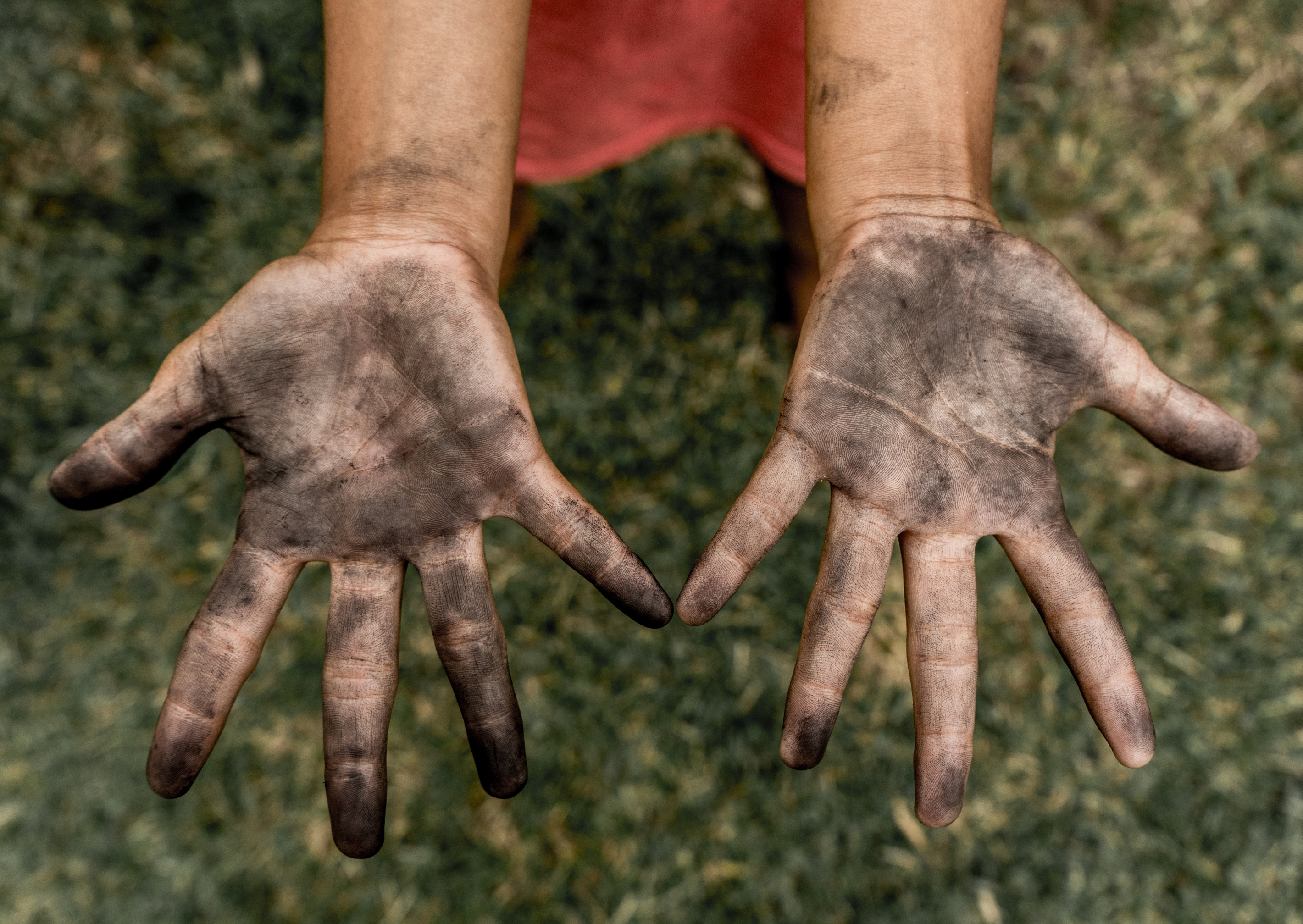
Photo Source: Canva
The Earth Element is what gives us center, stability and nourishment. It is the energy of grounding, of returning home, of feeling safe within ourselves. And it is especially important to pay attention to it at a specific time of year: the end of summer, the transition period before autumn and the time of year associated with this Element in TCM.
This element is associated with yellow, brown and golden colors, the organs and meridians of the spleen and stomach, and the emotion of worry. When Earth is in balance, we feel complete, grounded and capable of caring for ourselves and others with serenity. When it weakens, however, repetitive thoughts, anxiety, digestive problems and feelings of insecurity and anguish appear. Over time, imbalance can lead to more serious disorders, such as metabolic alterations, weakening of the immune system or chronic digestive diseases. That's why it's so essential to learn to recognize what unbalances it and what nourishes it.
Habits that weaken the Earth Element according to TCM
Our Earth Element needs warmth, rhythm, routines and simplicity. When diet or our lifestyle goes against these principles, it weakens.
In terms of nutrition, the spleen and stomach suffer especially from excess cold and raw foods (cold salads, cold green juices, iced drinks), as they extinguish our "digestive fire" and hinder nutrient assimilation. Refined sugars and white flours also overload the Earth: they give quick energy that immediately converts to a glucose spike, which inevitably generates fatigue and dependency. Processed, fried or very greasy foods generate what TCM calls "internal dampness," which manifests as bloating, mucus, heaviness and foggy mind. Excess stimulants like coffee, alcohol or energy drinks also wear down the Earth Element, as they force an artificial energy that immediately generates a feeling of internal emptiness, both energetically and nutritionally.
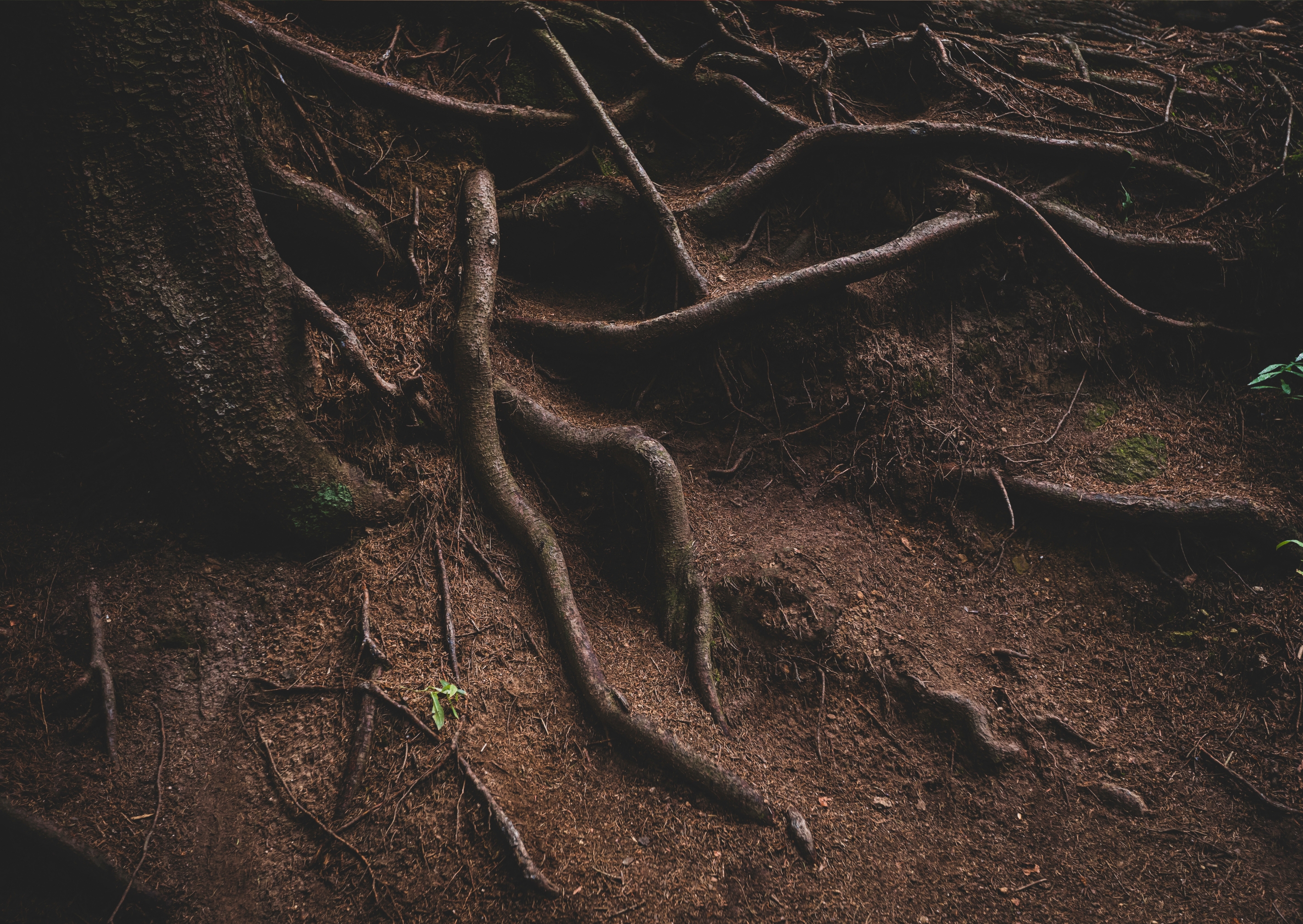
Photo Source: Canva
Regarding general habits, constant worry and overthinking are the main enemy of the Earth Element. Anxiety consumes digestive energy and leaves us scattered and without center. Accelerated pace and stress, always living outside our center, with haste and without pauses, disconnects us from the ability to assimilate both food and experiences or emotions. Disordered routines —eating at irregular hours, skipping meals or eating dinner very late— and lack of rest also wear down this element, which needs stability and deep, restorative rest. Finally, excess information and screens has a similar effect: just like with food, we also have to digest information. Too many stimuli saturate the spleen and leave the mind restless. And in the same way, little by little, we lose the capacity to process the experiences we live, the events that occur in our life. When we lose the ability to stop, to unravel what life brings us. We can hardly be capable of converting them into learnings that make us grow, that transform us.
How to nourish the Earth Element according to TCM
If we want to strengthen the Earth, we need to provide it with the energy it lacks: warmth, regularity, calm and deep nourishment.
In nutrition, this translates to prioritizing warm and cooked dishes like creams, stews or steamed foods; choosing natural sweet flavors from pumpkin, sweet potato, beetroot, dates... And eating calmly, without haste or screens. Regular meal schedules and stable routines give security to the Earth, just like moments of rest and quality sleep.
On an emotional and mental level, it's key to identify when worry occupies too much space in our daily life and redirect it with deep breathing practices placing hands on the abdomen, which can help us redirect our attention to our center, or with creative and manual activities like cooking, making pottery or tending a garden. Connection with nature is also essential: walking barefoot on earth or grass, caring for plants or simply lying down for a while in the garden.
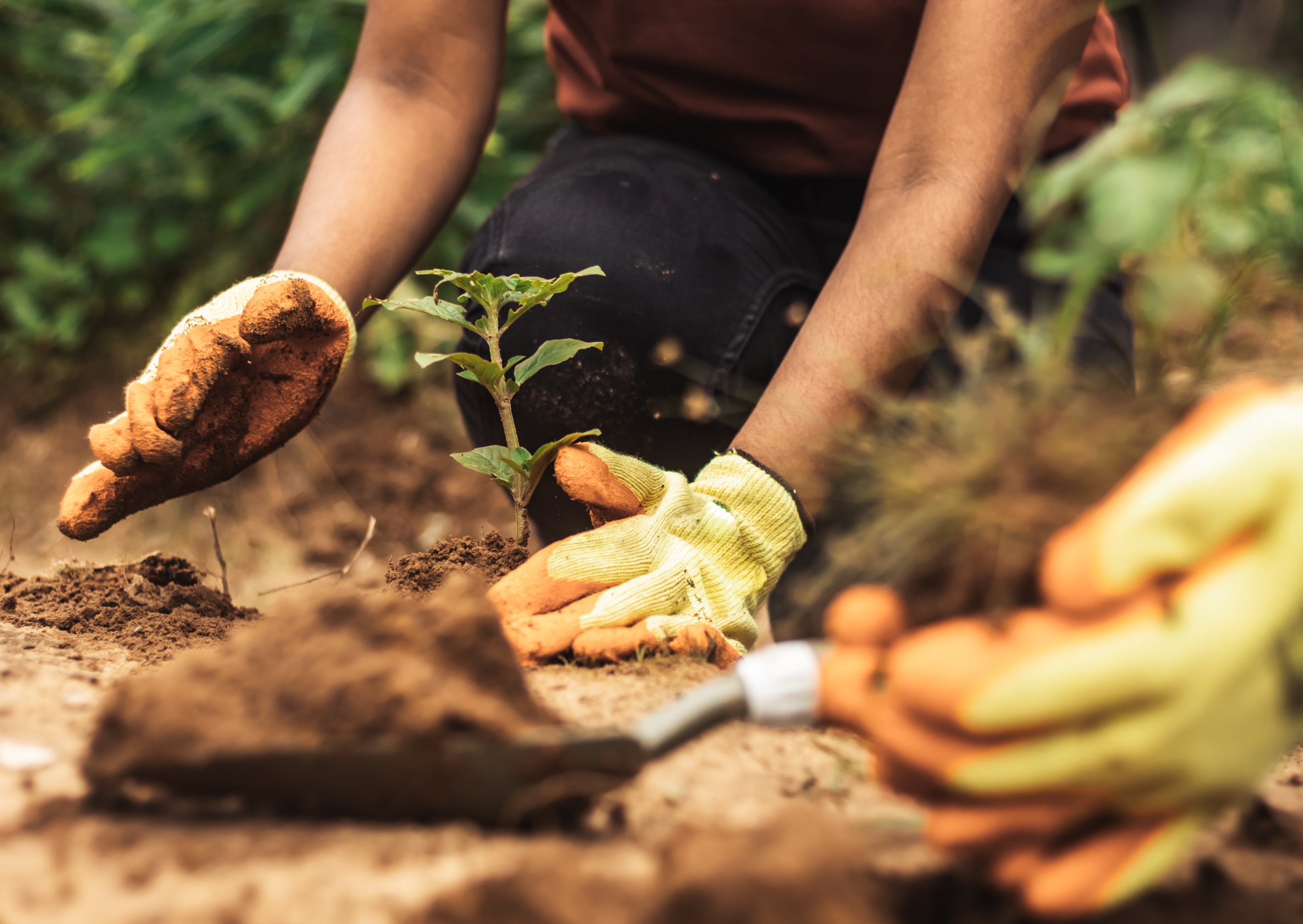
Photo Source: Canva
Medicinal mushrooms: allies to restore balance of our Earth Element
On this path of caring for the Earth Element, medicinal mushrooms are precious support within TCM, especially in transition moments like the end of summer. Thanks to their adaptogenic character, they help the body adapt to changes, help us feel sustained in the process of recovering healthy rhythms and routines that have often been abandoned during summer and provide the sensation of serenity and self-nourishment that the body demands.
- Reishi calms the mind, reduces stress, provides quality and deep rest, while strengthening defenses.
- Hericium (Lion's Mane) helps regenerate the digestive system and supports the cognitive system, helping us maintain a focused mind and mental clarity.
- Maitake and Shiitake help us maintain balanced intestinal flora, key for good digestive health and metabolic support.
- Chaga offers vitality, adaptation and resilience with its antioxidant power.


Caring for our Earth Element within us is much more than caring for our digestive system: it's learning to live with serene rhythms, to eat with consciousness, to care for rhythms, to reduce worries, to recognize what truly nourishes us. It's cultivating an internal space of stability that allows us to feel safe and grounded, both physically and emotionally and spiritually.
And the end of summer is the perfect time to do it: an invitation to return to our center and prepare for autumn with serenity and inner strength.
When we nourish the Earth, we nourish ourselves.
References
- Maciocia, G. (2015). The Foundations of Chinese Medicine. Elsevier.
- Kaptchuk, T. J. (2000). The Web That Has No Weaver: Understanding Chinese Medicine. McGraw-Hill.
- Pitchford, P. (2002). Healing with Whole Foods: Asian Traditions and Modern Nutrition. North Atlantic Books.
- Flaws, B. (2002). The Tao of Nutrition. Blue Poppy Press.
- Wasser, S. P. (2017). Medicinal mushrooms in human clinical studies. Mushroom Nutrition and Medicinal Science, 4(1), 53–70. Available at: PubMed
- Stamets, P. (2005). Mycelium Running: How Mushrooms Can Help Save the World. Ten Speed Press.
- Hobbs, C. (2021). Medicinal Mushrooms: The Essential Guide. Ten Speed Press.