
Adaptogenic mushrooms to strengthen the immune system in winter
Winter poses a significant challenge to our immune system. The combination of cold temperatures, reduced sun exposure, enclosed spaces with poor ventilation, and increased circulation of respiratory viruses creates the perfect scenario for our defenses to be compromised. In this context, medicinal mushrooms emerge as natural allies supported by centuries of traditional use and decades of contemporary scientific research.
Medicinal mushrooms contain unique bioactive molecules not found in other foods. These include beta-glucan polysaccharides, triterpenes, ergosterol, and immunomodulatory proteins—compounds that work synergistically to optimize immune response without causing system overactivation, which distinguishes them from other more conventional immune stimulants.
What are beta-glucans?
Beta-glucans are structural polysaccharides that form part of the mushroom cell wall. Their molecular structure, characterized by β-(1,3) and β-(1,6) bonds between D-glucose units, gives them the ability to interact with specific immune system receptors, primarily Toll-like receptors (TLR) and the Dectin-1 receptor present in macrophages and dendritic cells.
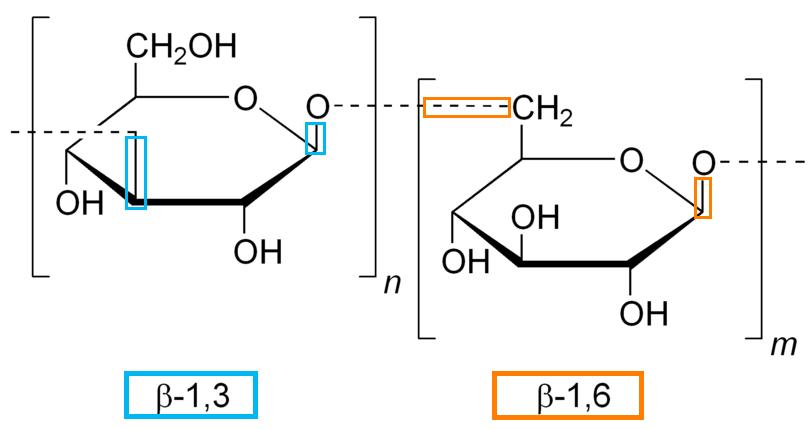
Molecular structure demonstrating the orientation and location of different beta-glucan bonds. (Source Wikipedia).
When these polysaccharides bind to these receptors, they trigger intracellular signaling cascades that activate innate and adaptive immune responses. What's remarkable about this process is that beta-glucans don't act as indiscriminate stimulants, but rather as modulators that balance Th1 and Th2 responses, which is especially relevant in cases of chronic inflammation or allergic responses.
Reishi (Ganoderma lucidum and Ganoderma lingzhi)
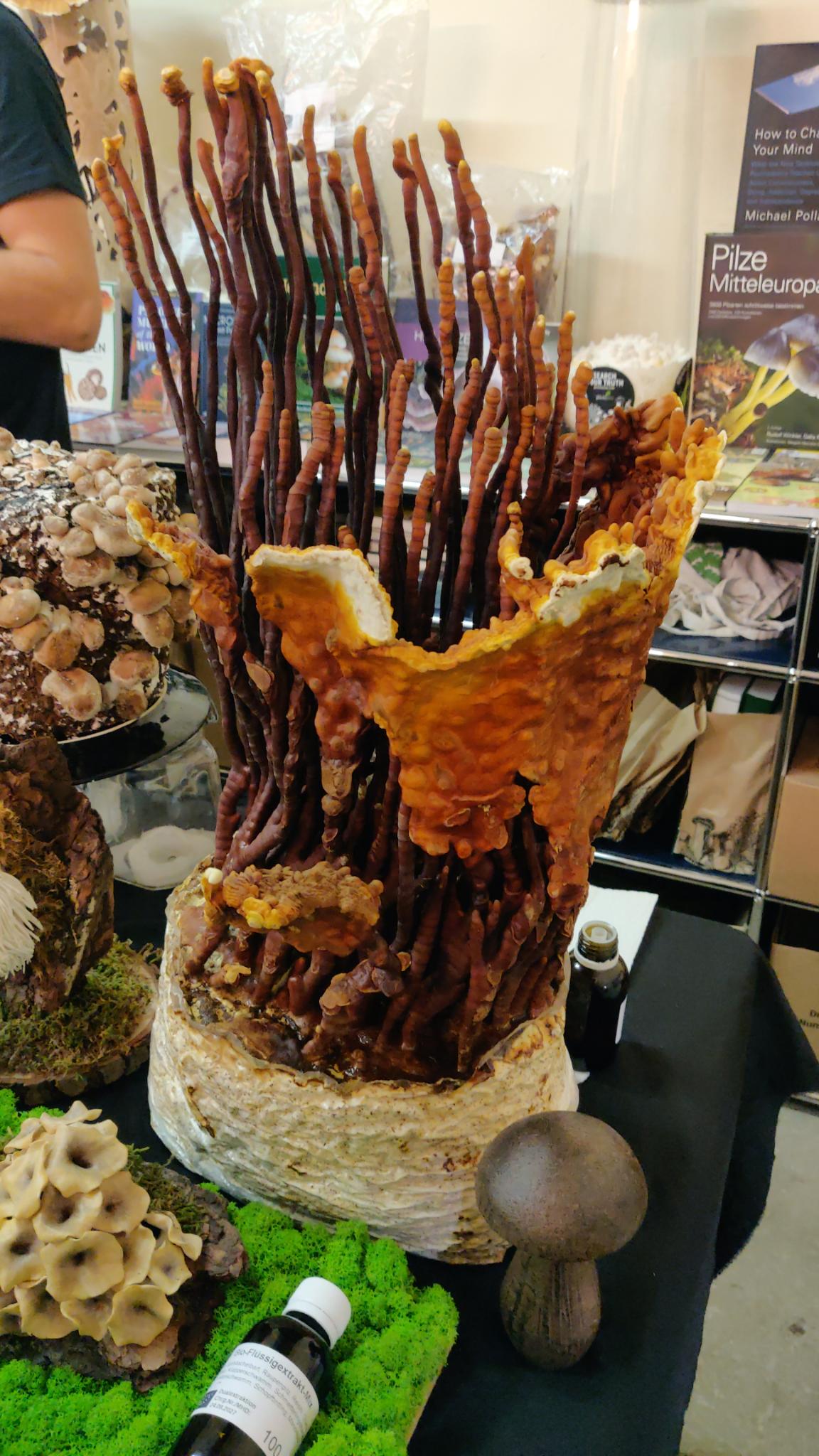
A substrate block with Reishi growing in its "Antler" form – a cultivation method inside plastic bags that causes this elongated growth pattern of Reishi.
Reishi (Ganoderma lucidum and Ganoderma lingzhi), known in traditional Chinese medicine as Lingzhi or the "mushroom of immortality," has been the subject of over a thousand scientific studies confirming its immunomodulatory properties. Its composition includes more than 400 bioactive compounds, with the most studied being beta-glucan polysaccharides and triterpenes, especially ganoderic acids.
Reishi polysaccharides have demonstrated in vitro and in vivo the ability to increase Natural Killer (NK) cell activity, improve T lymphocyte proliferation, and increase production of cytokines such as interleukin-2 (IL-2) and tumor necrosis factor alpha (TNF-α). Research conducted in China with lung cancer patients showed that consumption of Reishi extracts could antagonize the immunosuppressive effect caused by cancer cells, keeping immune cells active under conditions of high metabolic stress.
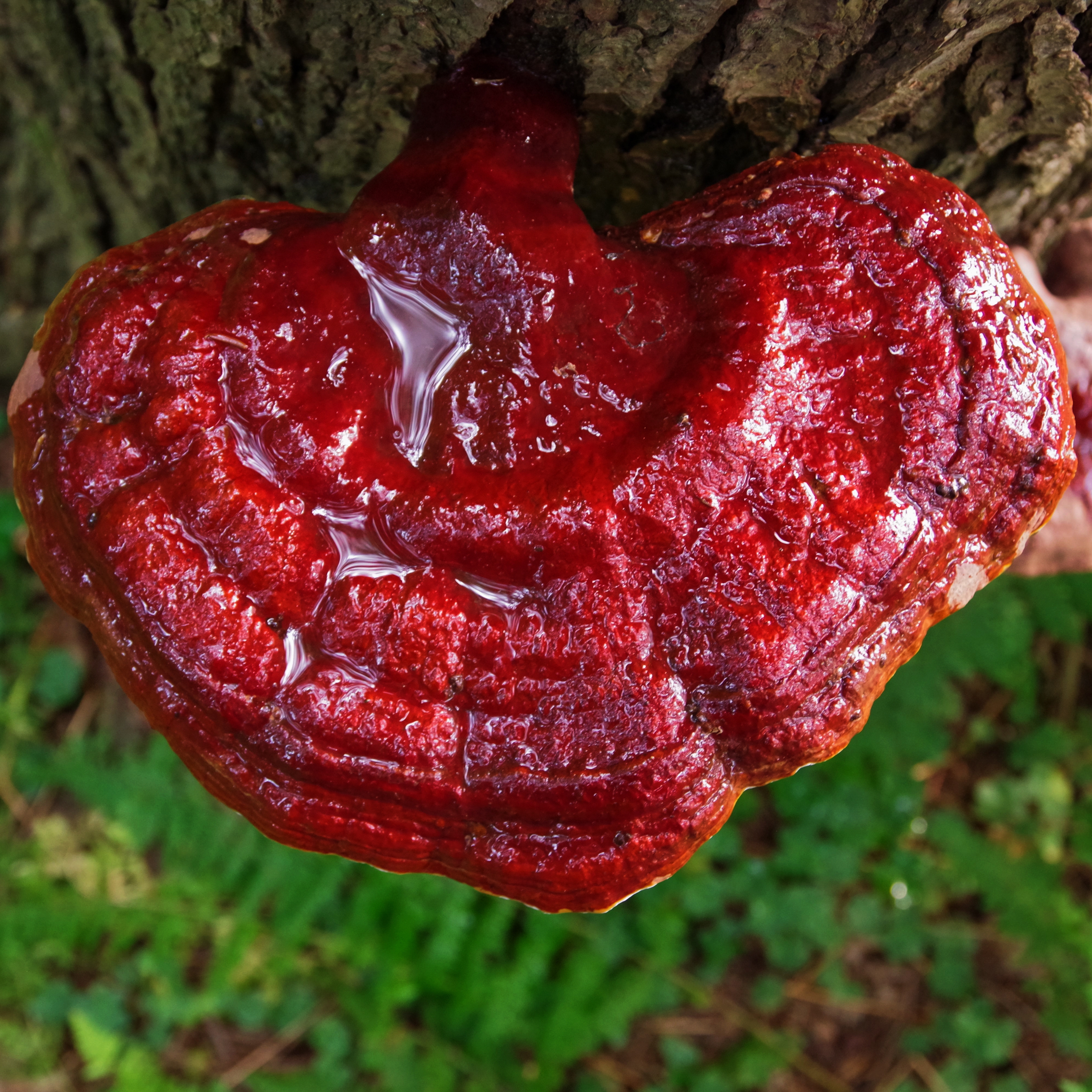
Ganoderma lingzhi (Reishi) growing in the forest (Source: Canva)
A study published in Foods (2023) by Chen and colleagues evaluated the administration of beta-1,3; 1,6 D-glucans derived from Ganoderma lucidum in healthy adult volunteers, demonstrating positive modulation of immune function. Triterpenes, for their part, exert a synergistic effect by reducing chronic inflammation and modulating the hypothalamic-pituitary-adrenal axis, which makes Reishi a complete adaptogen that not only strengthens defenses but also helps manage stress—a factor we know significantly compromises immunity.
The benefits of Reishi for the immune system are enhanced when consumed continuously during the months of greatest vulnerability. Its action is not limited to an immediate effect, but rather contributes to maintaining a state of immunological homeostasis that allows the organism to respond more effectively to typical winter respiratory pathogens.

Shiitake (Lentinula edodes)
Shiitake (Lentinula edodes) is the second most consumed mushroom in the world, but beyond its gastronomic value, it contains compounds with extraordinary immunomodulatory activity. Lentinan, a specific beta-glucan of this species first isolated in 1970 by researchers at the National Cancer Research Center of Japan, has been the subject of intense scientific scrutiny for over five decades.
Lentinan activates multiple immunological signaling pathways, including the MAPK-NFκB and Syk-PKC routes, resulting in coordinated stimulation of macrophages, NK cells, dendritic cells, and T lymphocytes. A clinical study conducted with 52 healthy adults who consumed between 5 and 10 grams of dried Shiitake daily for four weeks showed more pronounced activation of γδ-T and NK-T cells, an increase in salivary immunoglobulin A (the first line of defense in respiratory mucosa), and a decrease in C-reactive protein, a marker of systemic inflammation.
Another relevant compound present in Shiitake is AHCC (Active Hexose Correlated Compound), derived from the mycelium of this mushroom, which has been shown in Japanese studies to increase T cell numbers by up to 200% and enhance production of cytokines that stimulate cellular immunity. Research published in International Immunopharmacology has documented that Shiitake extract can increase the number and activity of dendritic cells, regulatory T lymphocytes, CD4, CD8 cells, B lymphocytes, NK cells, and NKT cells in lymphoid tissues.
Eritadenine, another bioactive compound present in Shiitake, although more studied for its cholesterol-lowering effects, contributes indirectly to immune health by improving circulation and reducing vascular inflammation. To maximize the benefits of Shiitake during winter, regular consumption is recommended, either in culinary form or as a concentrated extract, since studies indicate dose-dependent effects on immune modulation.

Maitake (Grifola frondosa)

Maitake (Grifola frondosa) growing on a log (Source: Canva).
Maitake (Grifola frondosa), whose Japanese name means "dancing mushroom," is a species that grows at the bases of deciduous trees such as oaks and chestnuts, forming structures in the shape of multiple overlapping layers that can reach considerable sizes. For more than three millennia it has been valued in traditional Asian medicine, and in feudal Japanese times it was exchanged for its weight in silver, being considered the king of mushrooms for its tonic effects.
What distinguishes Maitake from other medicinal mushrooms is the presence of specific beta-glucan fractions that have been isolated and patented for their extraordinary biological activity. The D-fraction, a high molecular weight beta-glucan, was approved in China in 2010 as a cancer supplement. Subsequently, Dr. Hiroaki Nanba isolated the MD fraction (Maitake D-fraction), considered even more potent, orally bioavailable, and with a higher degree of purification. More recently, GFP-22, another polysaccharide with promising immunomodulatory applications, has been identified.
The mechanisms of action of these polysaccharides have been elucidated through sophisticated molecular studies. Research published in the Journal of Leukocyte Biology has demonstrated that soluble beta-glucans from Maitake induce proliferation of resident macrophages through Dectin-1/Syk signaling, activating the autocrine pathway of granulocyte-macrophage colony-stimulating factor (GM-CSF). This process results in coordinated activation of the immune system without causing excessive inflammation.
A particularly relevant aspect documented in preclinical studies is the ability of the MD fraction to be captured by antigen-presenting cells in Peyer's patches of the intestine after oral administration. From there, the compound is transported to the spleen, where it induces a systemic immune response. This mechanism, described in recent research on oral immunotherapy, involves three coordinated effects: the induction of specific T cells through Dectin-1-dependent dendritic cell activation, increased infiltration of activated T cells in target tissues, and decreased immunosuppressive cells such as regulatory T cells and myeloid-derived suppressor cells.
Studies conducted at the University of Louisville evaluated the immune-enhancing effects of Maitake extracts, confirming their ability to activate macrophages and promote replication of NK cells (natural killer cells), fundamental in the response against viral infections and in antitumor surveillance.
A distinctive characteristic of Maitake is its action as a hormonal regulator, especially beneficial for women's health. This property, combined with its effects on glucose and lipid metabolism, makes it a multifunctional adaptogen. Research conducted at Chinese universities has evaluated the antidiabetic properties of Maitake mycelium polysaccharides in induced diabetes models, observing significant reductions in plasma glucose levels, as well as regulation of serum creatinine and albuminuria. Proposed mechanisms include improvement of insulin resistance and protection against oxidative stress in kidney tissue.
Maitake also contains ergosterol, a precursor to vitamin D that when exposed to ultraviolet light converts to vitamin D2. This nutrient is essential for immune function and is often diminished during winter months due to reduced sun exposure. The presence of minerals such as potassium, phosphorus, magnesium, and zinc, along with B vitamins (thiamine, riboflavin, and niacin), complements its nutritional profile and contributes to maintaining the metabolic balance that supports optimal immune response.
Another compound of interest is the MX fraction, a patented beta-glucan with specific immunoregulatory properties. Additionally, Maitake contains the disaccharide trehalose, which acts as a prebiotic promoting the development of bifidobacteria and Lactobacillus in the intestinal microbiota. Since approximately 70% of the immune system resides in the gut, this prebiotic action represents an additional mechanism through which Maitake enhances the body's defenses.
Synergy between medicinal mushrooms: the combined effect
Although each of these three mushrooms possesses specific immunomodulatory properties, their combined use can offer synergistic benefits. Reishi provides modulation of the stress axis and nervous system balance, Shiitake provides direct stimulation of immune cells through lentinan, and Maitake offers immunometabolic regulation with effects on hormones, glucose, and lipids. This multiple complementation strategy, known in mycotherapy as "stacking," allows addressing immunity from different physiological angles.
Extracts from these mushrooms must be obtained through dual extraction processes (hydroalcoholic) to guarantee the bioavailability of both water-soluble polysaccharides and fat-soluble triterpenes. The concentration of active principles is a determining factor, and therefore quality supplements specify the percentages of triterpenes and beta-glucans, ideally certified by independent laboratories.

Contraindications and responsible use
Scientific studies that have evaluated immunomodulatory effects emphasize that the effects are cumulative and that consistency in consumption is more effective than sporadic high doses.
Medicinal mushrooms present an excellent safety profile when consumed at recommended doses. However, due to their immunomodulatory properties, people with autoimmune diseases, transplant recipients, or those under immunosuppressive treatment should consult with a healthcare professional before incorporating them. Caution is also recommended in combination with anticoagulants, especially in the case of Reishi, which can potentiate these effects.
Integration into the winter routine
To obtain maximum benefits from these medicinal mushrooms during winter, the key is to incorporate them as part of a comprehensive health strategy that includes balanced nutrition, adequate rest, stress management, and moderate physical activity. Extracts can be consumed as an infusion, added to hot beverages, or through standardized capsules that facilitate precise dosing. Below we share an article by Lara from @Holy Fungi with some of her favorite recipes for taking and integrating medicinal mushroom extracts into a daily winter routine.
The timing of supplement initiation is relevant: starting in autumn, before the arrival of intense cold and the peak circulation of respiratory viruses, allows the immune system to develop an optimal response when it needs it most. This preventive approach, inherited from Oriental medical traditions, is more effective than reactive use at the first symptoms of illness.
References and sources
- Ahmad, M.F., et al. (2021). "Ganoderma lucidum: A potential source to surmount viral infections through β-glucans immunomodulatory and triterpenoids antiviral properties". International Journal of Biological Macromolecules, 187:769-779.
- Chen, S.N., et al. (2023). "Evaluation of immune modulation by β-1,3;1,6 D-glucan derived from Ganoderma lucidum in healthy adult volunteers, a randomized controlled trial". Foods, 12(3):659.
- Cör, D., et al. (2018). "Antitumour, antimicrobial, antioxidant and antiacetylcholinesterase effect of Ganoderma lucidum terpenoids and polysaccharides: a review". Molecules, 23(3):649.
- Liu, M., et al. "Analysis of gene expression of cytokines in PBMCs treated with Lentinula edodes". International Immunopharmacology.
- Masuda, Y., et al. (2012). "Soluble β-glucan from Grifola frondosa induces proliferation and Dectin-1/Syk signaling in resident macrophages via the GM-CSF autocrine pathway". Journal of Leukocyte Biology, 91(4):547-556.
- Mayell, M. (2001). "Maitake extracts and their therapeutic potential". Alternative Medicine Review, 6(1):48-60.
- Vetvicka, V., & Vetvickova, J. (2014). "Immune-enhancing effects of Maitake (Grifola frondosa) and Shiitake (Lentinula edodes) extracts". Annals of Translational Medicine, 2(2):14.
- Wu, J.-Y., et al. (2021). "Bioactive Ingredients and Medicinal Values of Grifola frondosa (Maitake)". Foods, 10(1):95.
- Yue, G.G., et al. (2013). "Polysaccharides from Ganoderma lucidum". Journal of Ethnopharmacology.
- Zhang, Y., Lin, Z., Hu, Y., & Wang, F. (2008). "Effect of Ganoderma lucidum on lymphocyte CD4/CD8 ratio in athletes under high metabolic stress". Journal of Ethnopharmacology.
- Sun, J., et al. (2014). "Immunomodulatory effects of Ganoderma lucidum in lung cancer patients". Journal of Cancer Research.