
The antioxidant power of Chaga and other properties
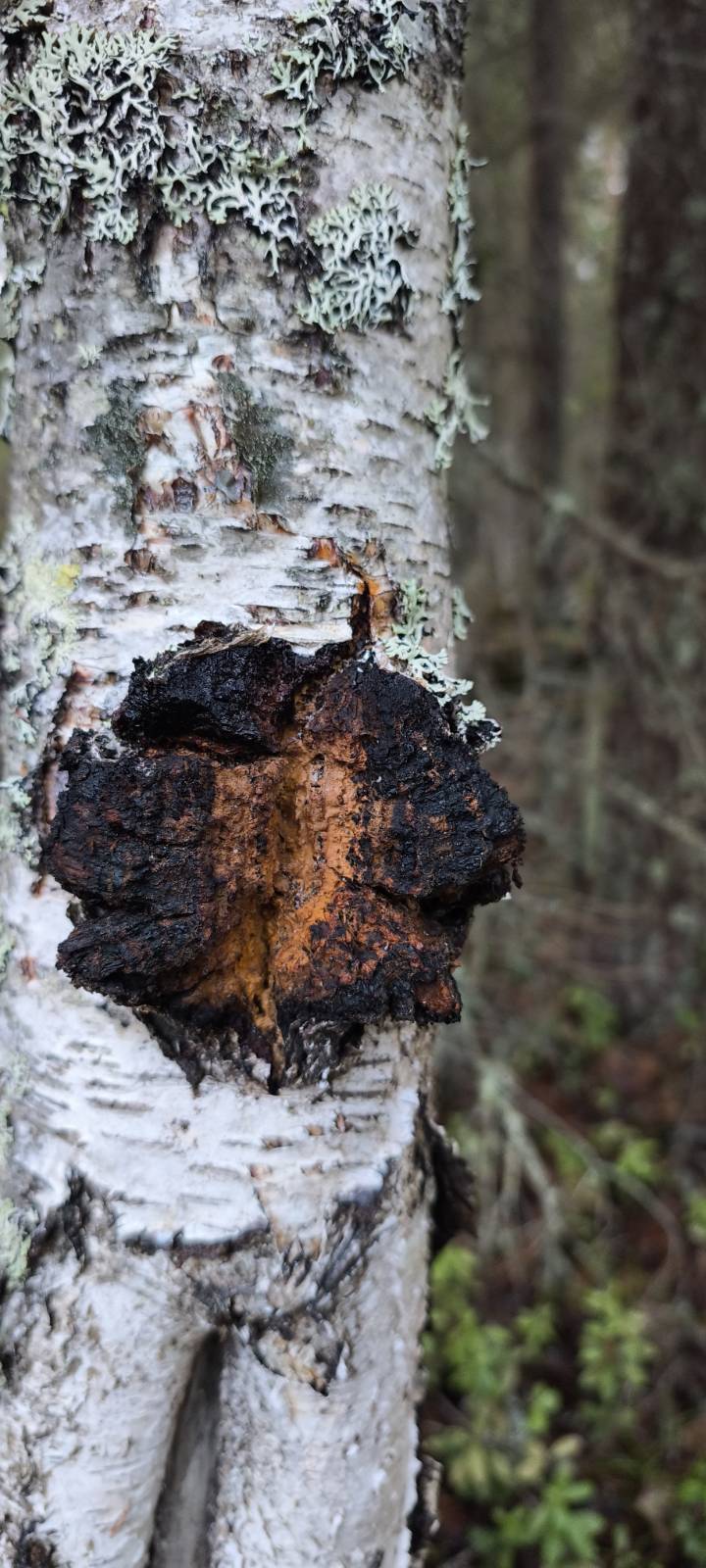
In the northernmost forests of the planet, where extreme cold, long winters and scarce solar radiation test life in all its forms, grows one of the organisms with the highest antioxidant capacity known to science. Chaga (Inonotus obliquus), known as the diamond of the forests or the black pearl, develops slowly mainly on birch trees (Betula spp.), from which it extracts and transforms key compounds such as betulin and betulinic acid, non-existent in other medicinal mushrooms.
Far from being a conventional mushroom, Chaga is an extremely resistant parasitic fungus, capable of surviving for decades in the extreme climatic conditions of Siberia, Scandinavia, Canada or northern Europe. This radical adaptation to environmental stress is reflected in its exceptional biochemical profile, rich in melanins, polyphenols and unique antioxidant complexes. Therefore, Chaga is not simply another adaptogen in modern mycotherapy: its composition places it in a category of its own, especially when we talk about its extraordinary capacity to modulate and combat oxidative stress, one of the main factors involved in aging and cellular imbalance.
Unprecedented antioxidant power
To understand the magnitude of Chaga's antioxidant potential, it is useful to establish a tangible comparison. Recent research has shown that a double dose of Chaga extract contains the same amount of antioxidants as approximately 14 kilograms of carrots. This figure, although surprising, illustrates the exceptional concentration of bioactive compounds that this fungus has developed in response to the extreme conditions in which it grows.
The secret of this potency lies in the complex interaction that Chaga maintains with its host tree, mainly the white birch. For decades, the fungus parasitizes the tree trunk, absorbing and transforming wood compounds into highly concentrated biomolecules. Among these transformations stands out the conversion of birch betulin into betulinic acid, a substance that in its original form is not digestible by humans, but which Chaga converts into a bioavailable and therapeutically active form.
Importance of Chaga melanin
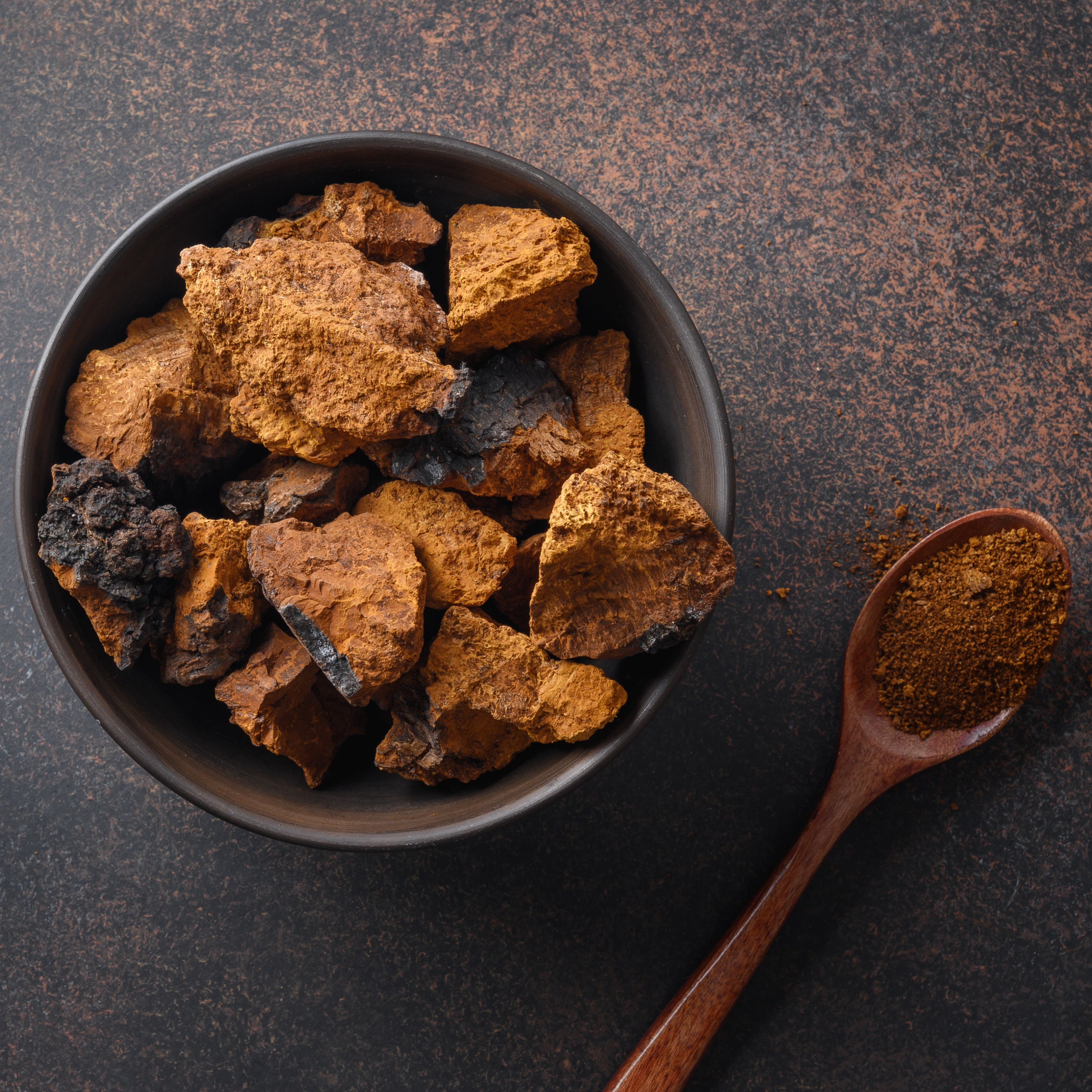
Chaga's characteristic appearance, that black and cracked surface that has earned it the nickname "charcoal nose," is no coincidence. This dark color comes from extremely high concentrations of melanin, the same pigment that protects our skin, eyes and hair from oxidative damage. In the case of Chaga, melanin acts as a powerful antioxidant that has evolved to protect the organism from intense radiation, extreme temperatures and the environmental stress of northern latitudes.
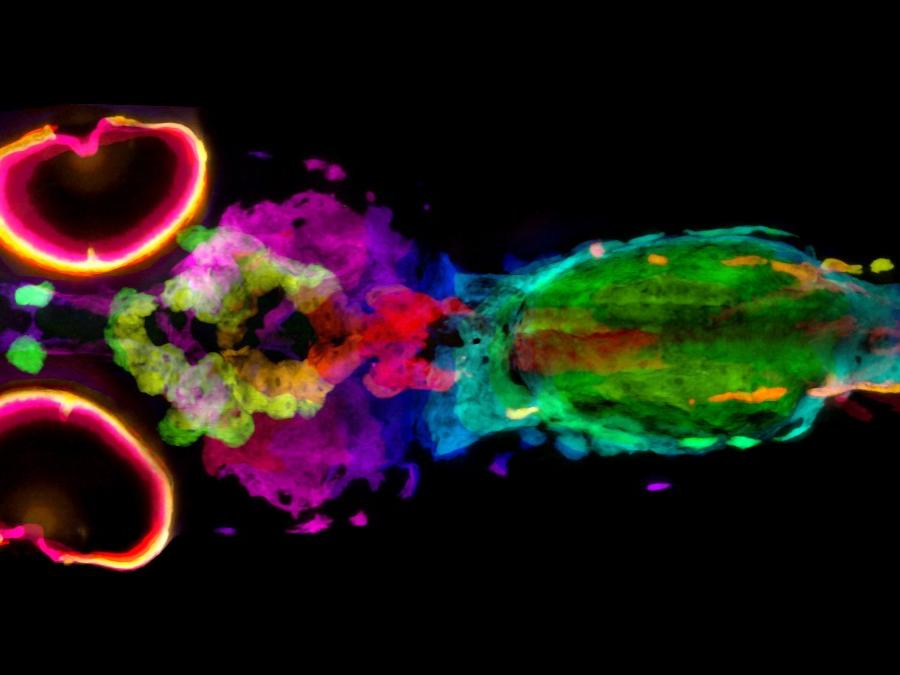
Melanin is visualized in a 5-day-old zebrafish silver-stained by X-ray histotomography. Different colors were assigned based on the depth of melanin in the cells of the sample, from top to bottom. Laboratory of Keith Cheng, Penn State College of Medicine.
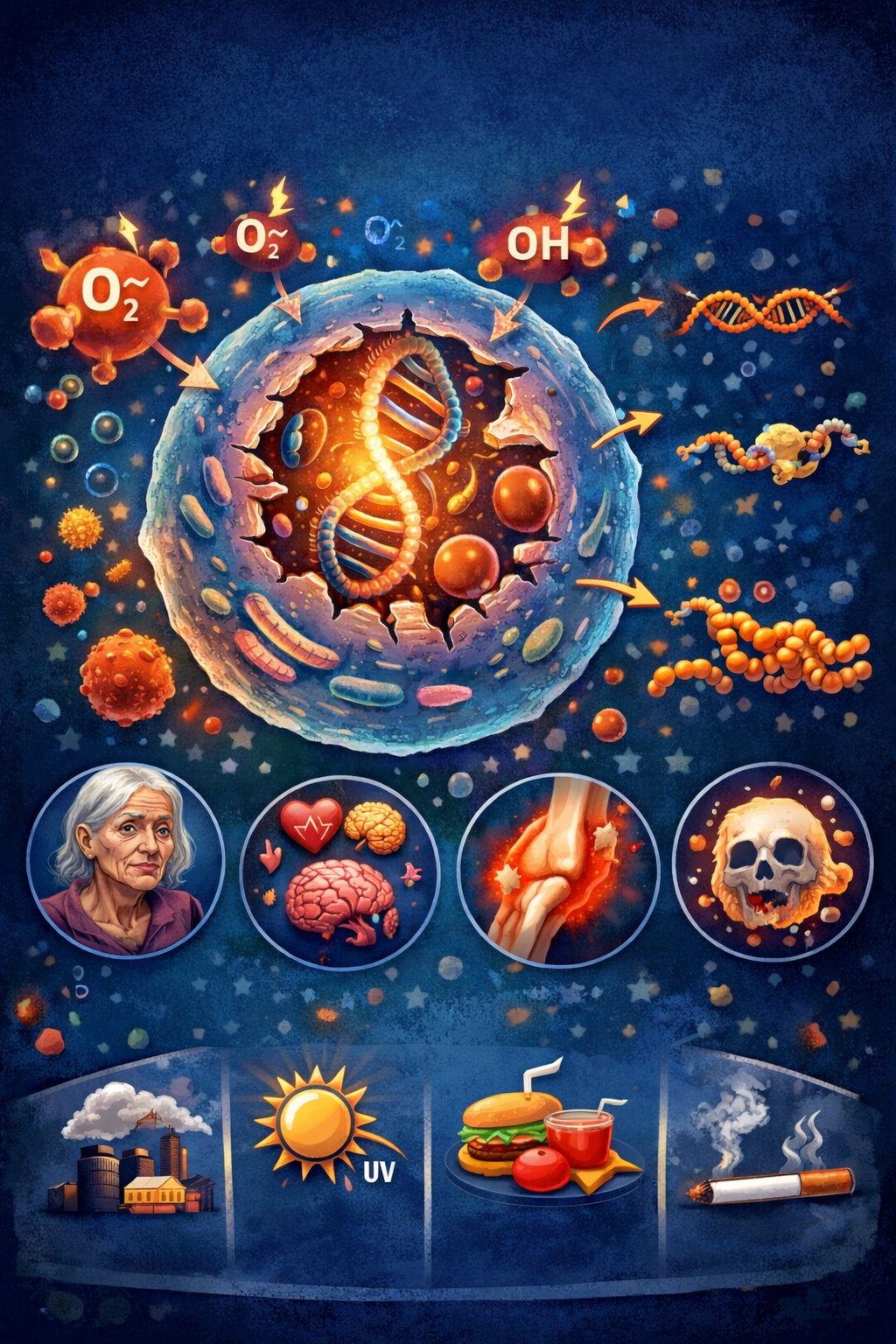
Chaga's melanin not only protects the fungus itself during its growth. When consumed in extract form, these compounds continue to exert their protective function in the human organism, neutralizing free radicals and reducing cellular damage caused by environmental factors such as pollution, UV radiation and other oxidizing agents to which we are exposed daily.
Polyphenols and comprehensive organism protection
The family of polyphenols present in Chaga complements the antioxidant arsenal with phenolic compounds, flavonoids and other secondary metabolites that act on multiple fronts. Park and colleagues demonstrated in a study that Chaga extract protects human lymphocyte DNA against oxidative damage, a particularly relevant finding considering that damage to genetic material is one of the fundamental mechanisms of cellular aging and carcinogenesis.
These polyphenols do not act in isolation, but rather establish a synergistic protection network. While some neutralize specific free radicals, others regenerate endogenous antioxidants of the organism itself, such as glutathione. This molecular cooperation is what distinguishes complex natural antioxidants, such as those in Chaga, from synthetic antioxidants or isolated supplements.
Beta-glucans and polysaccharides
While Chaga's antioxidant capacity is impressive in itself, its true therapeutic value emerges when we understand the synergy between its different bioactive components. Beta-glucans, a specific type of polysaccharides present in abundance in yeasts and medicinal mushrooms like this one, have been the subject of scientific research since the 1960s. Studies conducted in China, Japan and South Korea have focused on these complex non-linear polysaccharides (1←3) and (1←6), demonstrating immunomodulatory properties and significant antitumor activity.
A study published in the Journal of Ethnopharmacology by Mishra et al. revealed that Chaga extracts were able to reduce inflammation and intestinal damage in animal models, acting specifically on inflammatory cytokines. Cytokines are signaling proteins of the immune system, and Chaga has demonstrated a fascinating dual capacity: on one hand, it promotes the formation of beneficial cytokines that stimulate white blood cells and reinforce natural defenses (such as IFN-γ); on the other, it inhibits the production of harmful cytokines associated with inflammatory processes (IL-1β, IL-6).
Betulinic acid and triterpenes
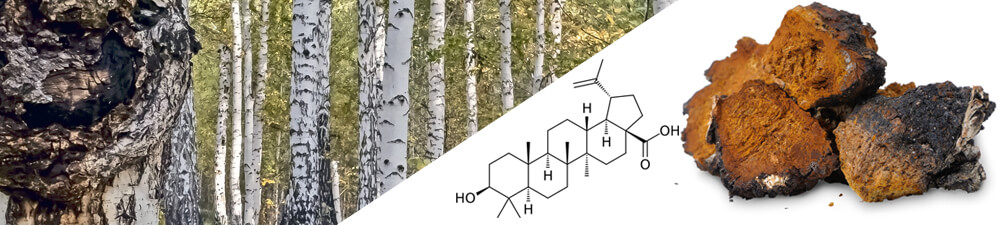
Among the most studied compounds in Chaga is betulinic acid, a triterpene that exhibits anti-inflammatory, antiviral characteristics and has demonstrated selective activity against tumor cells in various in vitro studies. Research published in Integrative Cancer Therapy (2018) examined the cytotoxicity of Chaga extracts against human lung adenocarcinoma cells, observing promising effects that warrant broader clinical investigations.
What is truly remarkable about betulinic acid is its selective mechanism of action. Researchers like Noda and colleagues discovered that this compound works in a highly specific manner on cells with a low internal pH, characteristic of tumor tissues, while respecting healthy cells with normal pH. This selectivity significantly reduces the risk of side effects, a considerable advantage over many conventional treatments.
Why is it important to take Chaga in extracts and not in powder?
A crucial aspect that is often overlooked is that Chaga's active principles are enclosed in chitin matrices, a structural polymer that the human digestive system cannot efficiently degrade. For this reason, consumption of raw Chaga powder, although traditional, does not guarantee the bioavailability of its therapeutic compounds. Scientific studies that have demonstrated Chaga's benefits are systematically based on extracts prepared through specific processes.
The dual extraction method, which combines aqueous extraction at high temperatures with alcoholic extraction, allows the release of both water-soluble polysaccharides and fat-soluble triterpenes. This process, used in the preparation of pharmaceutical-grade extracts, concentrates the active principles in the extract. Only through this process is the necessary bioavailability achieved for the organism to effectively absorb and use bioactive compounds, such as antioxidants.

Integration of Chaga consumption into daily wellness
Understanding Chaga's potential is only the first step. Its effective integration into a health routine requires considering factors such as extract quality, the origin of the fungus, cultivation or harvesting methods, and processing standards. Extracts must be certified regarding their active principle content, preferably through independent laboratory analyses that quantify polysaccharides, beta-glucans and triterpenes.
The traditional use of Chaga, documented since the 14th century in Siberia and mentioned by Hippocrates more than two millennia ago, reminds us that this fungus has accompanied humanity as a therapeutic ally long before modern science could explain its mechanisms of action. Today, the convergence between ancestral knowledge and scientific validation allows us to harness Chaga's antioxidant power with a deeper understanding of how and why it works.
In a world where oxidative stress derived from pollution, accelerated pace of life and exposure to environmental toxins affects more and more people, Chaga emerges not as a miraculous panacea, but as a valuable and scientifically supported tool to support the natural defense and regeneration mechanisms of the organism. Its extraordinary concentration of antioxidants, combined with its immunomodulatory and anti-inflammatory properties, fully justifies its reputation as the black diamond of the boreal forests.
Sources
- Feng Y, Liu J, Gong L, et al. (2024). Inonotus obliquus (Chaga) against HFD/STZ-induced glucolipid metabolism disorders and abnormal renal functions by regulating NOS-cGMP-PDE5 signaling pathway. Chinese Journal of Natural Medicine, 22(7):619-631.
- Géry, A. et al. (2018) 'Chaga (Inonotus obliquus), a future potential medicinal fungus in oncology? A chemical study and a comparison of the cytotoxicity against human lung adenocarcinoma cells (A549) and human bronchial epithelial cells (beas-2b)', Integrative Cancer Therapies, 17(3), pp. 832–843. doi:10.1177/1534735418757912.
- Luo LS, Wang Y, Dai LJ, He FX, Zhang JL, Zhou Q. (2022). Triterpenoid acids from medicinal mushroom Inonotus obliquus (Chaga) alleviate hyperuricemia and inflammation in hyperuricemic mice: Possible inhibitory effects on xanthine oxidase activity
- Park YK, Lee HB, Jeon EJ, Jung HS, Kang MH. Chaga mushroom extract inhibits oxidative DNA damage in human lymphocytes as assessed by comet assay.
- Mishra, S.K. et al. (2012) 'Orally administered aqueous extract of Inonotus obliquus ameliorates acute inflammation in dextran sulfate sodium (dss)-induced colitis in mice', Journal of Ethnopharmacology, 143(2), pp. 524–532. doi:10.1016/j.jep.2012.07.008.
- Noda, Y. et al. (1997) 'Enhanced cytotoxicity of some triterpenes toward leukemia L1210 cells cultured in low ph media: Possibility of a new mode of cell killing.', Chemical and Pharmaceutical Bulletin, 45(10), pp. 1665–1670. doi:10.1248/cpb.45.1665.
- Studies on β-glucan polysaccharides from Basidiomycota fungi conducted since 1960 in China, Japan and South Korea, with subsequent research published in various scientific journals on anti-inflammatory and immunomodulatory properties.