
From Ancient Ally to Modern Hope: Reishi Mushroom and HPV in Women’s Health

For centuries, Reishi mushroom (Ganoderma lucidum) — known in China as Lingzhi, the “mushroom of immortality” — has been revered for promoting longevity, balance, and resilience. Once reserved for emperors and healers, this glossy, woody fungus is now at the center of modern biomedical research. Scientists are exploring what traditional medicine intuited long ago: that Reishi can modulate the immune system in remarkable ways.
Recent studies suggest that these properties might have implications for one of the most common viral infections affecting women worldwide — the human papillomavirus (HPV). While most HPV infections resolve naturally, persistent cases can lead to cervical dysplasia or, rarely, cervical cancer. Understanding how Reishi interacts with our immune defenses offers new perspectives on prevention and support.
The Reishi Mushroom: Ancient Medicine Meets Modern Immunology
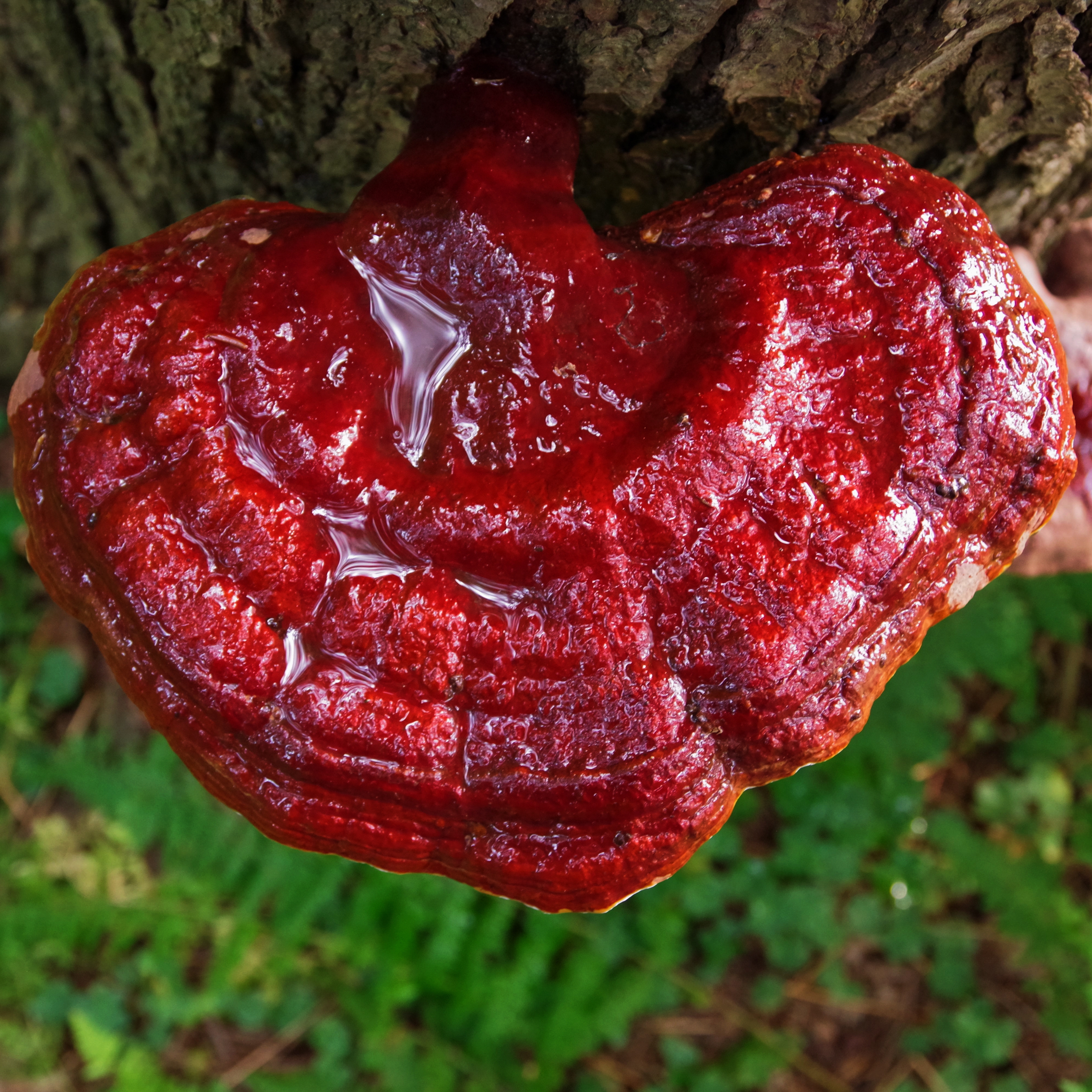
Traditional Chinese and Japanese medicine have long regarded Reishi as a tonic for vitality, calm, and longevity. Modern analytical chemistry has identified two main groups of bioactive compounds responsible for these effects: β-glucans (complex polysaccharides) and triterpenes (ganoderic acids).
- Polysaccharides activate and balance immune function, enhancing the activity of macrophages, T cells, and natural killer (NK) cells — key players in antiviral defense.
- Triterpenes, a family of bitter molecules unique to Reishi, exhibit antioxidant and anti-inflammatory effects and can trigger apoptosis (programmed cell death) in abnormal cells.
Together, these compounds contribute to Reishi’s reputation as an adaptogen: a substance that helps the body restore balance under stress.
What Science Says: Reishi and HPV

Infections by high-risk HPV strains are almost ubiquitous. In about 90% of cases, the immune system clears the virus on its own within two years. But when the immune response falters, HPV can persist. This has inspired research into natural compounds that might reinforce the body’s own antiviral mechanisms.
One preliminary clinical trial in France offered striking results. Sixty-one patients with oral HPV16 or HPV18 infections were treated for two months with either Laetiporus sulphureus or a combination of Reishi (Ganoderma lucidum) and Turkey Tail (Trametes versicolor) extracts. After two months, 88% of those receiving Reishi + Turkey Tail tested HPV-negative, compared to only 5% in the control group[1].
Complementary studies reviewed in Life (2023) confirm similar findings: extracts from Reishi and other medicinal mushrooms can enhance HPV clearance and improve cervical cytology in women with precancerous lesions[2]. Laboratory experiments further show that Reishi extracts inhibit the proliferation of HPV-infected cervical cells and promote apoptosis, a natural process that helps prevent tumor development[3].
While these results are promising, it’s important to note their limits. Most available data come from small-scale or early-stage studies. Larger, controlled trials are needed to verify the effect in cervical HPV infections and to identify optimal dosing and duration. Nonetheless, the convergence of traditional use and emerging research makes Reishi a compelling subject in integrative medicine.
How It Works: Supporting Natural Immunity
HPV persistence often occurs when the immune system fails to recognize or eliminate infected cells. Reishi’s immunomodulatory effects may help restore this recognition.
- β-glucans act as biological “training molecules,” priming immune cells to respond more effectively.
- Triterpenes and antioxidants reduce chronic inflammation, creating an internal environment less favorable for viral survival.
- Together, these compounds can shift the immune system from passive tolerance to active defense—without overstimulation.
In plain language, Reishi doesn’t “kill” HPV directly. It helps the immune system do its job better: identifying infected cells, restoring balance, and promoting self-healing.
Quality Matters: Extracts vs. Raw Powders
Not all Reishi products are equal. The mushroom’s cell walls are made of chitin, a fibrous compound our digestive system cannot break down. Simply consuming dried Reishi powder provides minimal absorption of its active ingredients.
To unlock its therapeutic compounds, Reishi requires extraction—traditionally by long boiling, now through controlled hot-water and alcohol extractions. This process releases both water-soluble polysaccharides and alcohol-soluble triterpenes, yielding a dual extract with full-spectrum activity.
Modern extracts can be standardized for β-glucan content, ensuring consistent potency and bioavailability. By contrast, unextracted powders or grain-based mycelium products often contain only trace amounts of active molecules. Choosing an extract from the fruiting body, verified for purity and actives, is therefore essential for efficacy and safety.


The Balance of Promise and Prudence
Reishi’s story in women’s health reflects the broader challenge of modern science communication: embracing excitement without exaggeration.
What we know:
- Reishi demonstrates measurable immune-enhancing, antiviral, and antitumor effects in laboratory models.
- Preliminary clinical evidence suggests it may support HPV clearance and improve cervical cell health.
- It is well tolerated for most people, with centuries of safe traditional use.
What remains to be studied:
- Large-scale, placebo-controlled clinical trials.
- Long-term outcomes and ideal formulations.
- Interactions with medications or specific conditions.
The best approach lies in integration, not substitution. Reishi is not a stand-alone treatment but a potential ally within a broader framework of prevention, regular medical screening, vaccination, and healthy lifestyle practices. Its role is to support the body’s own intelligence, reinforcing the immune and emotional resilience that underpins our wellbeing.
In that sense, Reishi represents more than a mushroom — it embodies a way of thinking about health that combines evidence and intuition, science and tradition. For many women (and men for that matter), this integrative path feels both grounded and empowering: a reminder that healing often begins by helping the body remember how to take care of itself.
Bibliography
- Donatini, B. (2014). Control of oral human papillomavirus (HPV) by medicinal mushrooms, Trametes versicolor and Ganoderma lucidum: a preliminary clinical trial. Int. J. Med. Mushrooms, 16(5), 497–498.
- Rokos, T. et al. (2023). Exploring the Bioactive Mycocompounds of Selected Medicinal Mushrooms and Their Potentials against HPV Infection and Associated Cancer in Humans. Life, 13(1):244.
- Hernández-Márquez, E. et al. (2014). Inhibitory activity of Reishi (Ganoderma lucidum) on transformed cells by human papillomavirus. Int. J. Med. Mushrooms, 16(2), 179–187.
- Lin, Z.B. & Zhang, H.N. (2004). Anti-tumor and immunoregulatory activities of Ganoderma lucidum and its possible mechanisms. Acta Pharmacol. Sin., 25(11), 1387–1395.
- Goldspink, E. (2020). Medicinal Mushrooms: Preparation is the Key to Success. Papillex Blog.