
Diplodia sapinea: The fungus challenging Catalan pine trees
In the pine forests of Catalonia, a little-known but impactful fungus is capturing attention: Diplodia sapinea, also called Sphaeropsis sapinea. Although it doesn't produce edible mushrooms like those that fascinate Catalan mycologists, this organism is wreaking havoc in the Baix Empordà. This article, based on recent reports and scientific studies, explores the characteristics of this fungus, the current outbreak, and its ecological importance, inviting mushroom lovers to discover its role in our forests. Join us on this journey into the world!
What is Diplodia sapinea? A biological profile
Diplodia sapinea is an ascomycete fungus from the Botryosphaeriaceae family, known for its asexual reproduction through pycnidia, small black structures of 0.5 mm that emerge on twigs and pine cone scales. These release spores that disperse with rain, infecting trees through wounds caused by storms, hail, pruning, or insects.
This fungus acts as an endophyte, living in the woody tissues of pines without causing damage under normal conditions. However, when trees suffer stress, such as droughts or physical damage, it becomes an opportunistic pathogen. It mainly affects species such as Pinus sylvestris (Scots pine), Pinus nigra (black pine), Pinus pinea (stone pine), and Pinus halepensis (Aleppo pine), common in Catalonia. Although it rarely kills healthy adult trees, it can devastate young seedlings, making it a threat to forest regeneration.
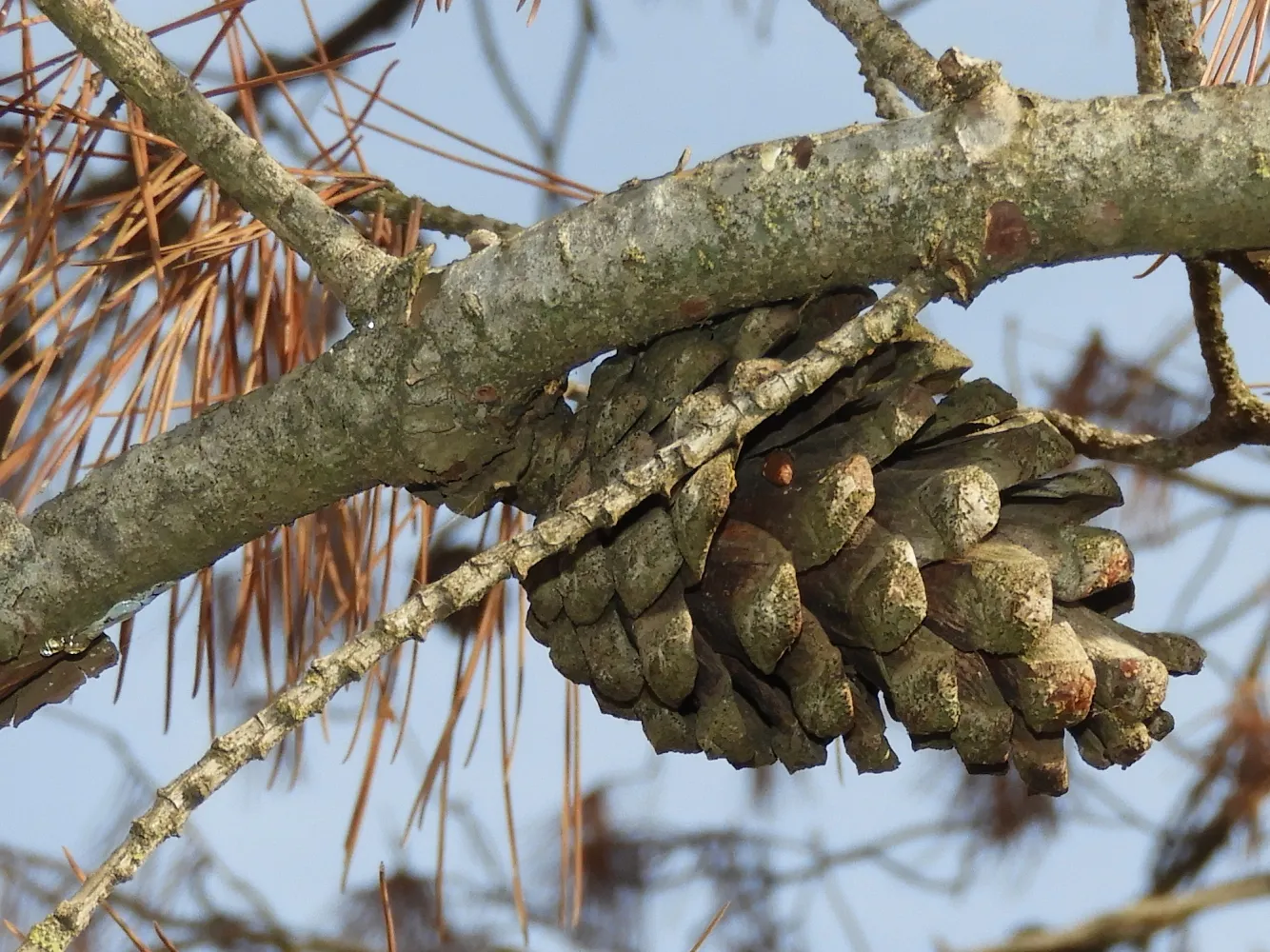
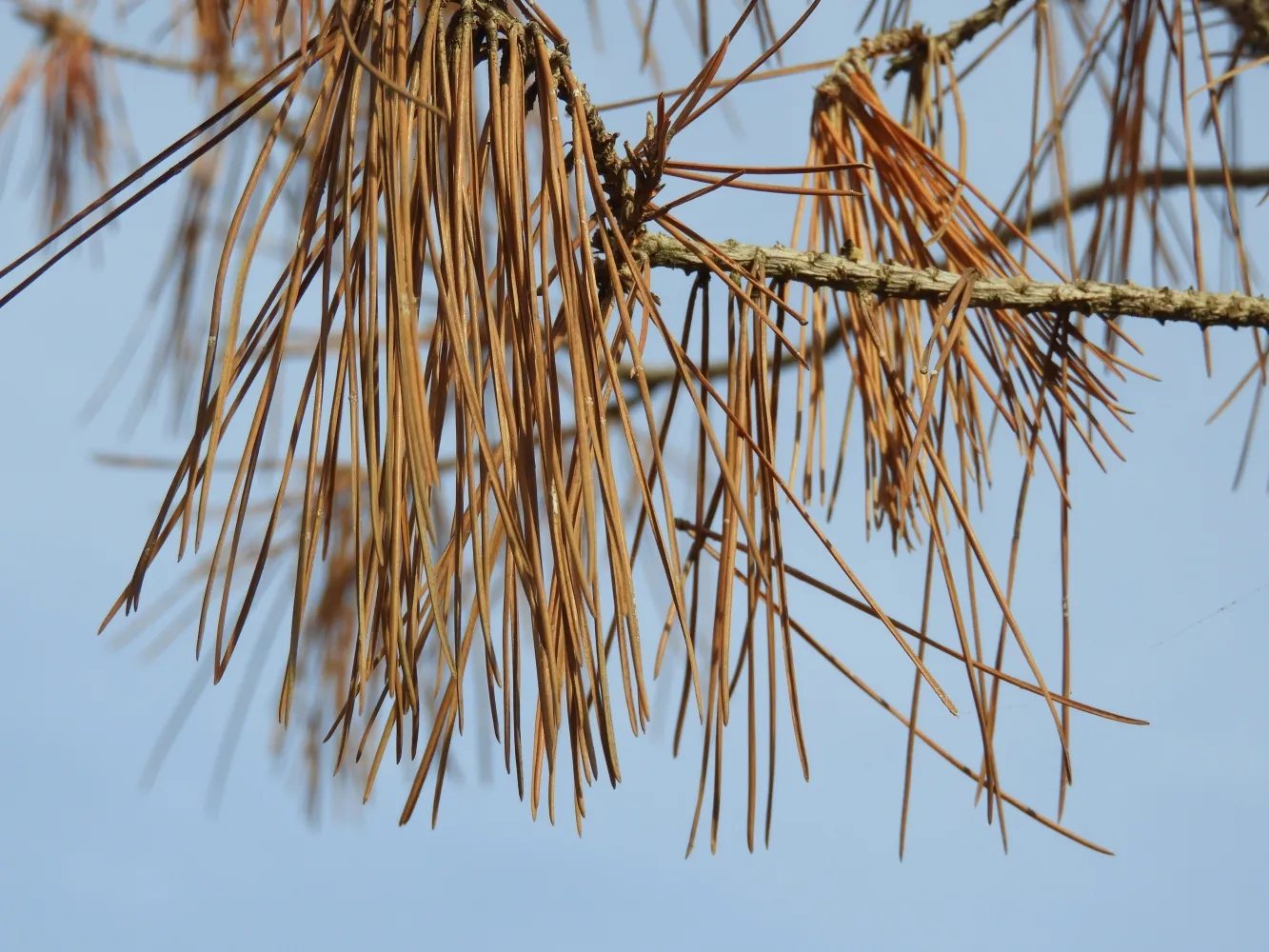
The outbreak in Baix Empordà: A forestry challenge
In August 2025, the pine forests of Begur and Pals, in the Baix Empordà, have been affected by a combined outbreak of Diplodia sapinea and the insect Tomicus destruens, known as the shoot borer. Symptoms include brown needles, dropping of green shoots, and small holes in trunks with white resin, signs that have alerted neighbors and foresters.
The main causes are persistent drought, high temperatures in June 2025, and local factors such as sandy soils and dense plantations with aging trees. The Tomicus insect aggravates the situation by creating wounds that facilitate the entry of the fungus. If not controlled, this outbreak can reduce forest cover, affecting biodiversity and habitats of birds, insects, and other fungi that we so appreciate in our mycological outings.
Recent research, such as that presented at forestry congresses, highlights that extreme weather events, like the 2022 hailstorm in Bages, favor these outbreaks. Stone pine is the most vulnerable, with up to 52% of the crown affected, while Aleppo pine shows greater resistance.
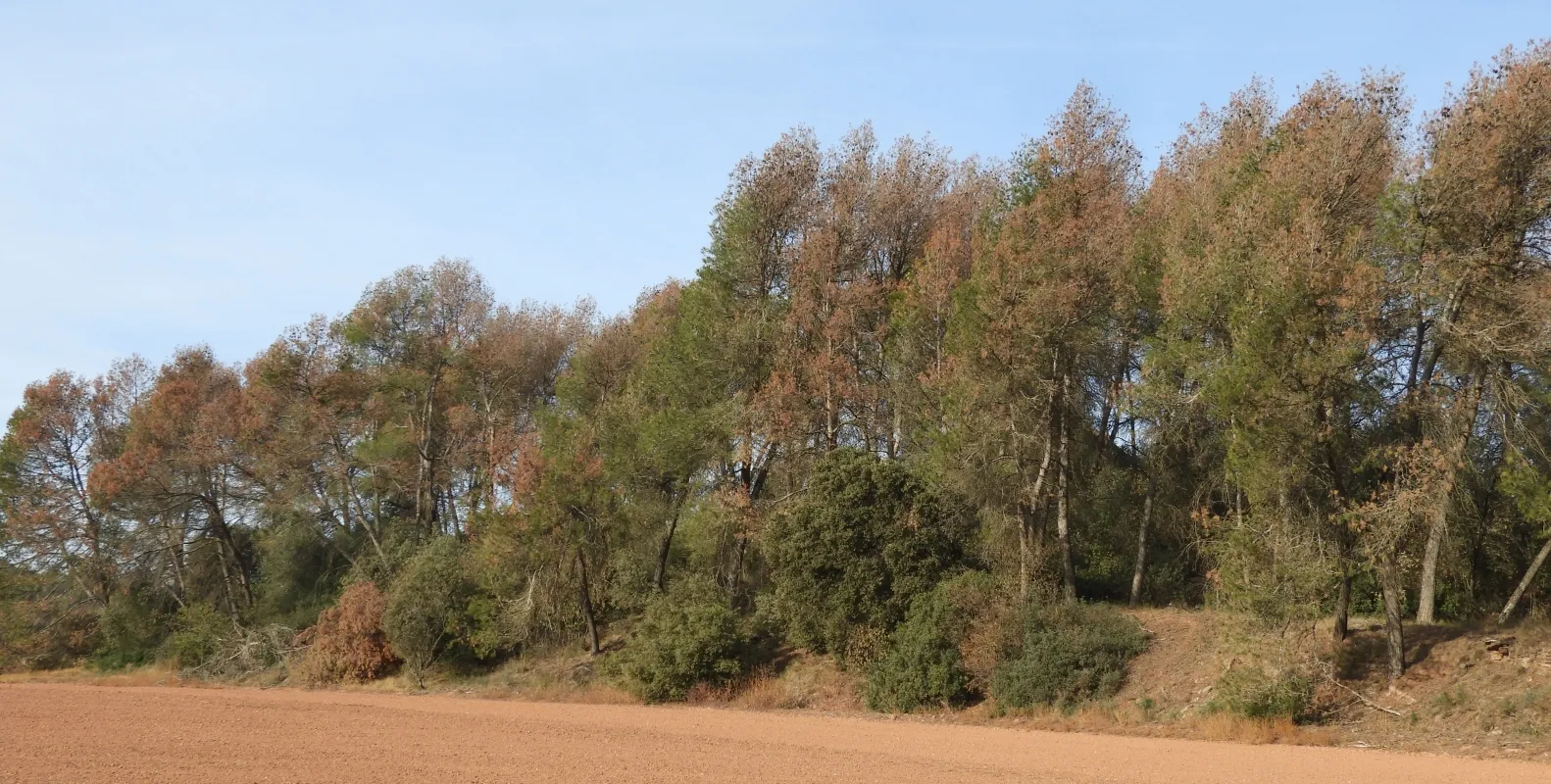
Impacts and ecological lessons
The impact of Diplodia sapinea transcends tree loss: it generates economic costs in forestry and alters forest ecosystems. This fungus, which thrives in warm climates, could expand to colder regions of Europe due to climate change, as already observed in Sweden. In Catalonia, its presence is more notable in warm valleys and decreases with altitude, according to studies in Bages and the Pre-Pyrenees.
Key symptoms to identify infection include dry needles, especially in new shoots, and wood with bluish stains when cut, without excess resin or insect galleries. For mycology enthusiasts, this fungus offers a fascinating lesson: an organism that lives in symbiosis can become pathogenic under environmental pressure, reminding us of the fragility of forest balance.
Management and prevention strategies
Forest management is fundamental to controlling this fungus. Measures such as thinning dense areas, pruning affected trees, and reducing competition between trees strengthen the resilience of pines. In Begur and Pals, local authorities and the Generalitat plan to intervene starting in autumn 2025. Enthusiasts can contribute by avoiding damage to trees during their forest outings and reporting unusual symptoms to forestry authorities.
Conclusion: Fungi as the key to the forest
Diplodia sapinea reveals the importance of fungi in forest health, acting as allies or threats depending on conditions. This outbreak invites us to reflect on forest conservation and the impact of climate change. To delve deeper into the world of fungi and discover more about our forests, medicinal mushrooms, mycotherapy, or self-cultivation, visit our page. Keep exploring and share your passion for fungi!
References
- Diari de Girona. (2025). "Una plaga a les pinedes de Begur causada per un fong i un insecte." Available at: https://www.diaridegirona.cat/baix-emporda/2025/08/15/plaga-pinedes-begur-causada-per-120646834.html
- Ràdio Capital. (2025). "Els boscos propers a la deixalleria de Pals pateixen una plaga causada per un fong i un insecte." Available at: https://www.radiocapital.cat/els-boscos-propers-a-la-deixalleria-de-pals-pateixen-una-plaga-causada-per-un-fong-i-un-insecte/
- El Medi Natural del Bages. (s.d.). "Sphaeropsis sapinea (Diplodia pinea) en els pins." Available at: https://elmedinaturaldelbages.cat/es/species/sphaeropsis-sapinea-diploidia-pinea-en-los-pinos-sphaeropsis-sapinea-es/
- Congreso Forestal Español. (s.d.). "Efecto de la altitud y la especie de pino en la incidencia de Diplodia sapinea en Cataluña." Actas del 8CFE, p. 789. Available at: https://8cfe.congresoforestal.es/sites/default/files/actas/8CFE-789.pdf